Inspired by Purpose. Driven by Impact.
Second Thread Studio began with a simple question: How can fashion become part of the solution instead of the problem?
In 2023, I had the privilege of participating in The Huntington Library’s Sustainable CHANGES Youth Summit, where I explored climate justice, environmental sustainability, and community activism. As someone who has always loved fashion, I discovered the environmental cost of overproduction and textile waste, inspiring me to rethink how beautiful materials could be given a second life.
Today, Second Thread Studio transforms premium surplus textiles and manufacturing imperfections into one-of-a kind pieces that celebrate thoughtful craftsmanship and conscious design. Every purchase helps reduce textile waste and supports a more sustainable future –because every thread deserves a second story.
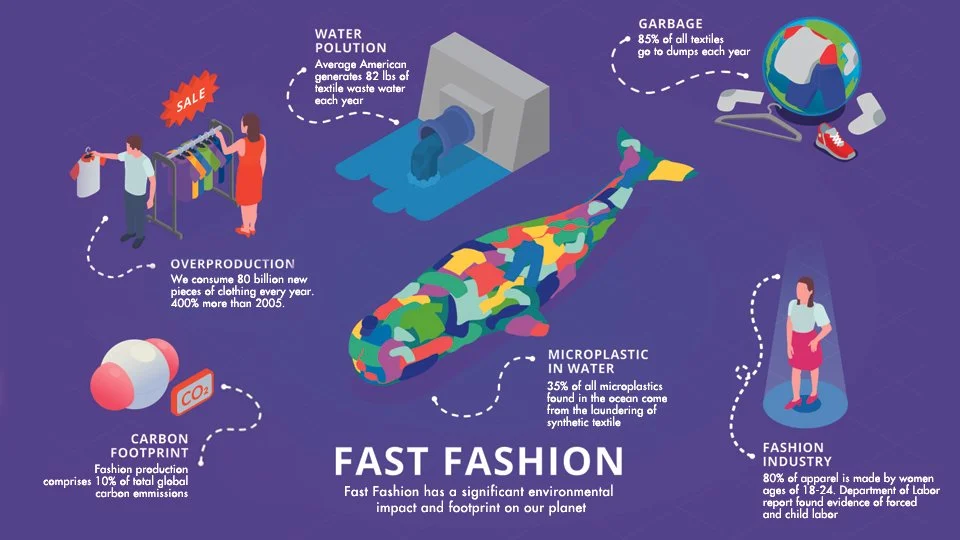
Every purchase is a choice–and every choice has an impact. As consumers, it’s worth taking a moment to consider the story behind the products we bring into our lives. When we prioritize low-cost, high-volume clothing without considering how it was made, we can unintentionally support a system where profit outweighs environmental stewardship and the well-being of the people who make our clothes.
Fashion’s Significant Environmental Impact on Our Planet
From Surplus to Second Story
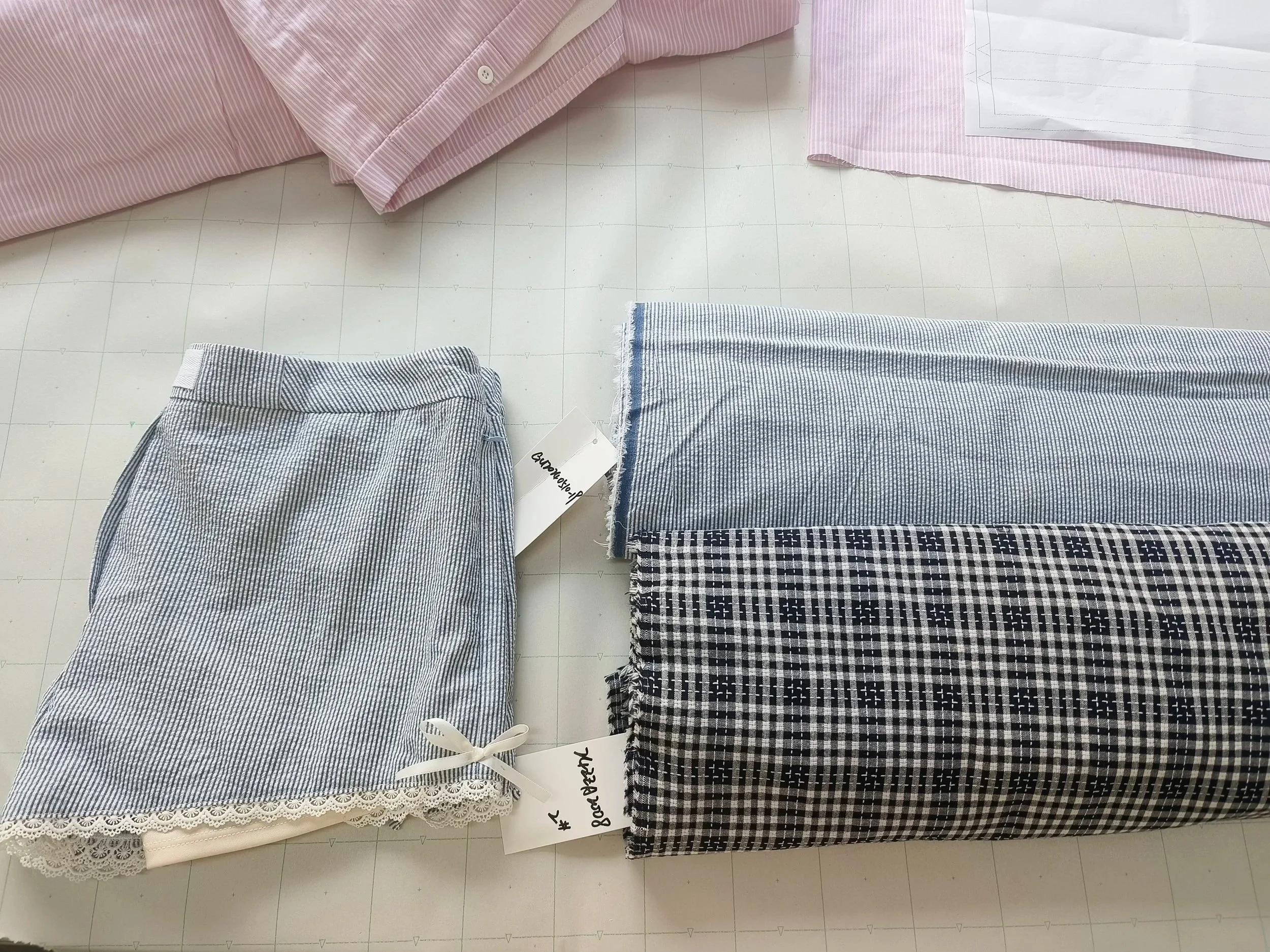
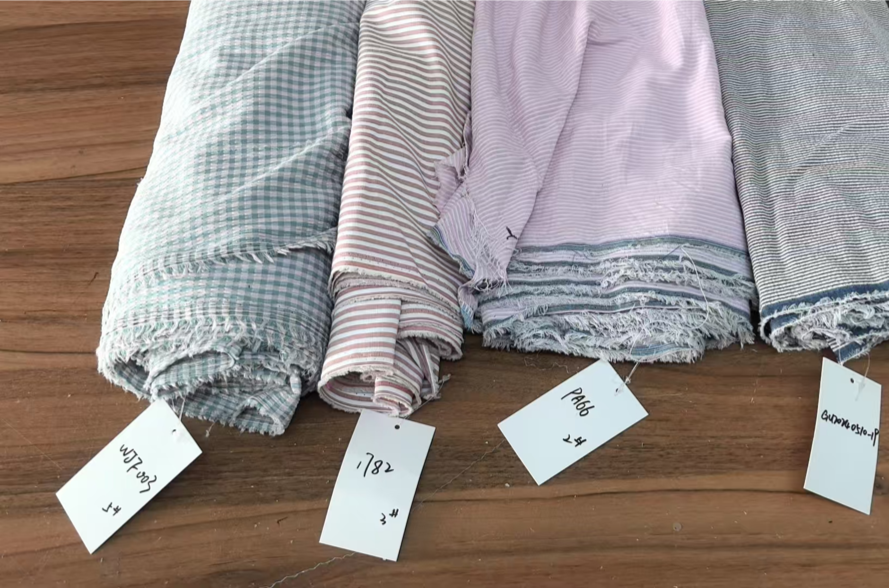
Inspired by the World Resources Institute's call for the fashion industry to extend the life of clothing through reuse and circular design, I reached out to clothing manufacturers committed to more sustainable practices. I was honored to collaborate with Stony Apparel Corporation and its Senior Vice President of Global Sourcing and Production, Ms. Doris Kaporis, whose team shared innovations such as their water-saving Blue Foam® denim dyeing process. During my visit, I also discovered high-quality garments that had never been worn but were set aside due to strict quality standards. Instead of becoming waste, these premium surplus textiles became the inspiration and foundation for Second Thread Studio.
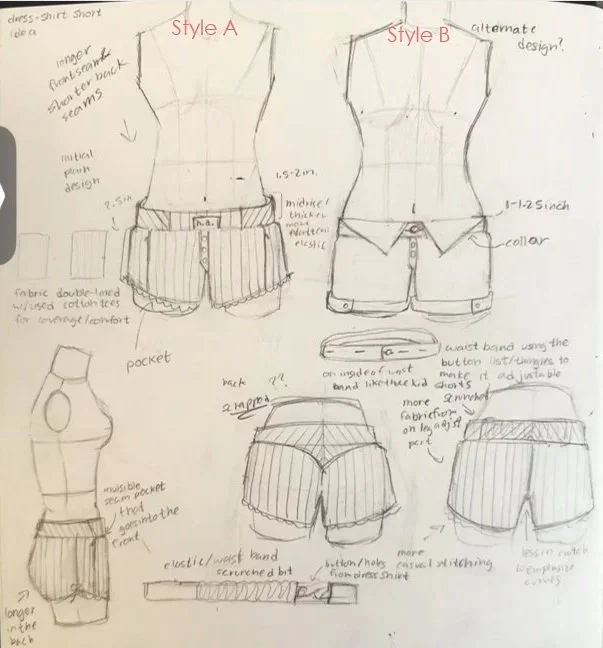
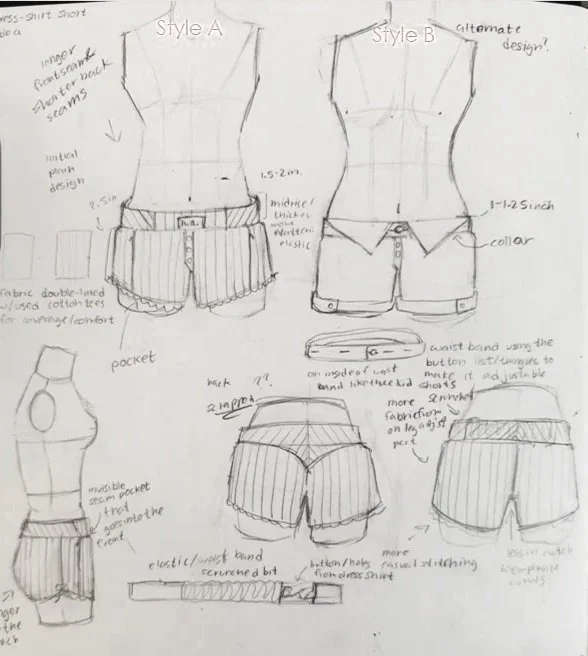
Every design at Second Thread Studio begins with a sketch. Inspired by the structure of a classic dress shirt, I refined each concept through multiple prototypes until it matched my original vision.
Making MOSAIC
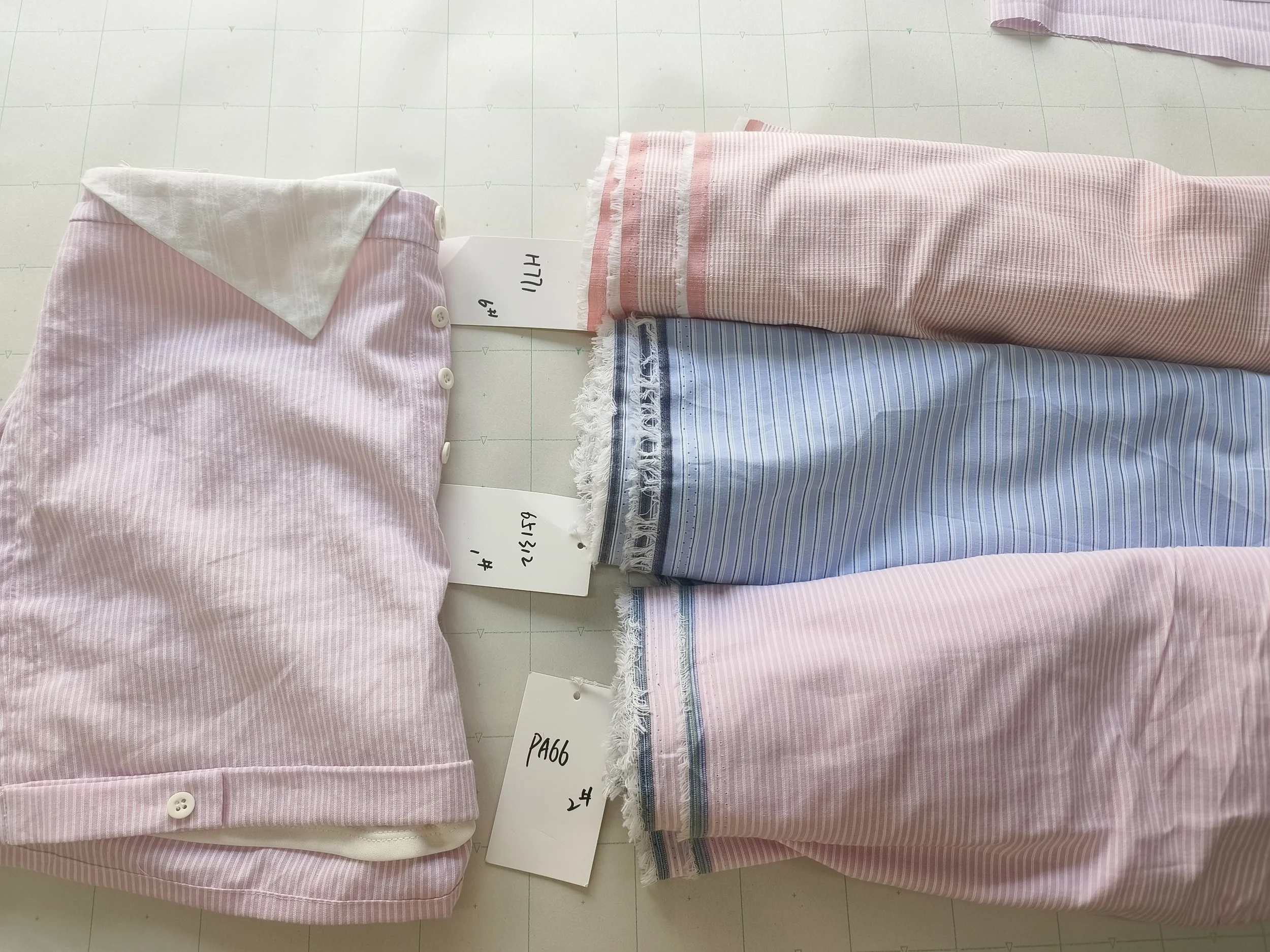
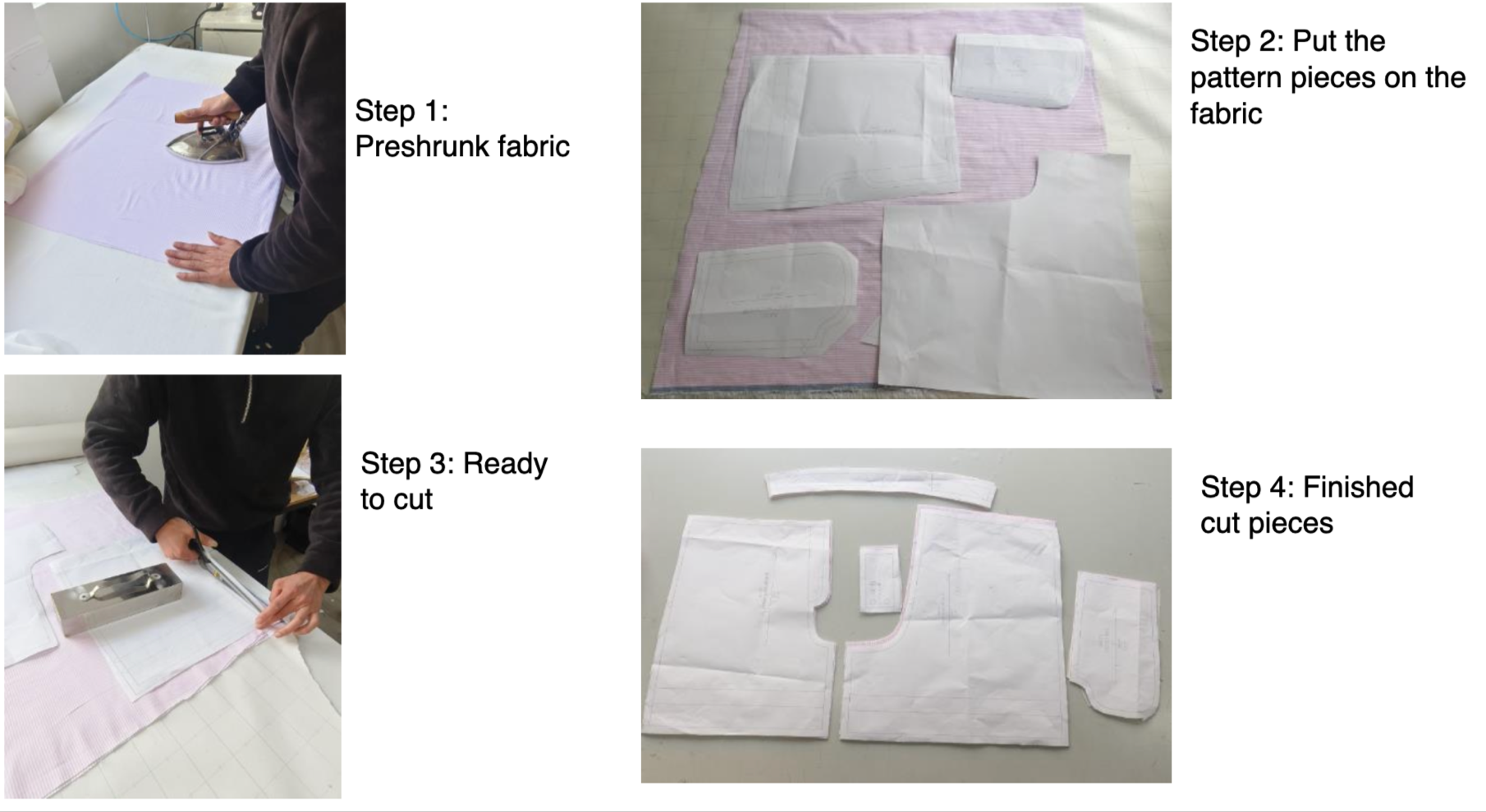
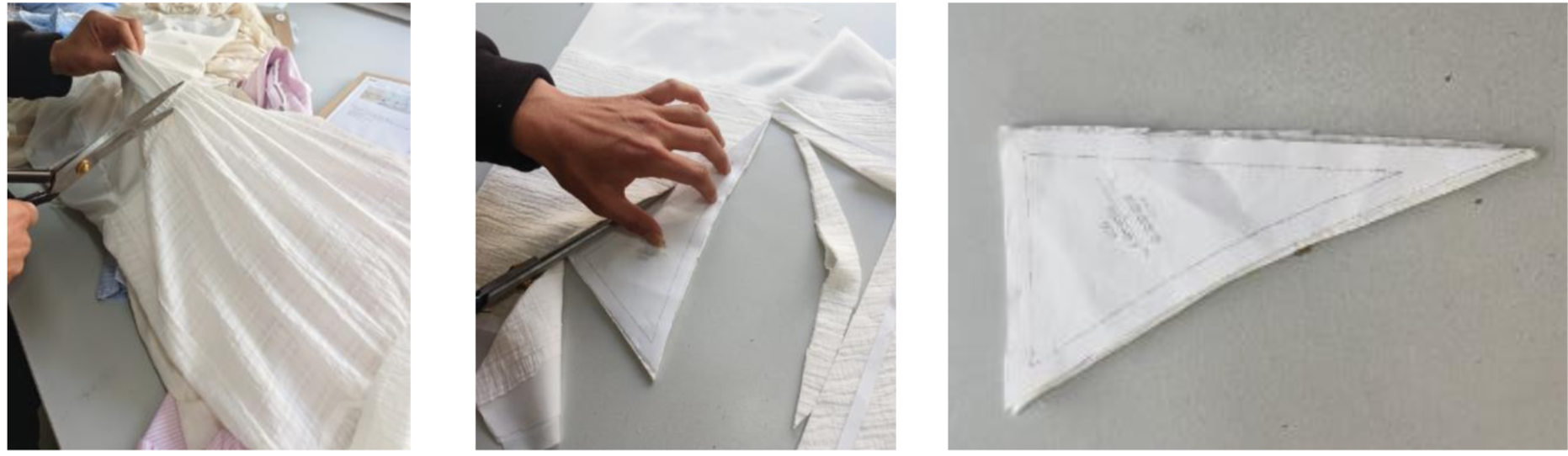
1) Preparing and carefully cutting premium surplus fabric into custom pattern pieces.
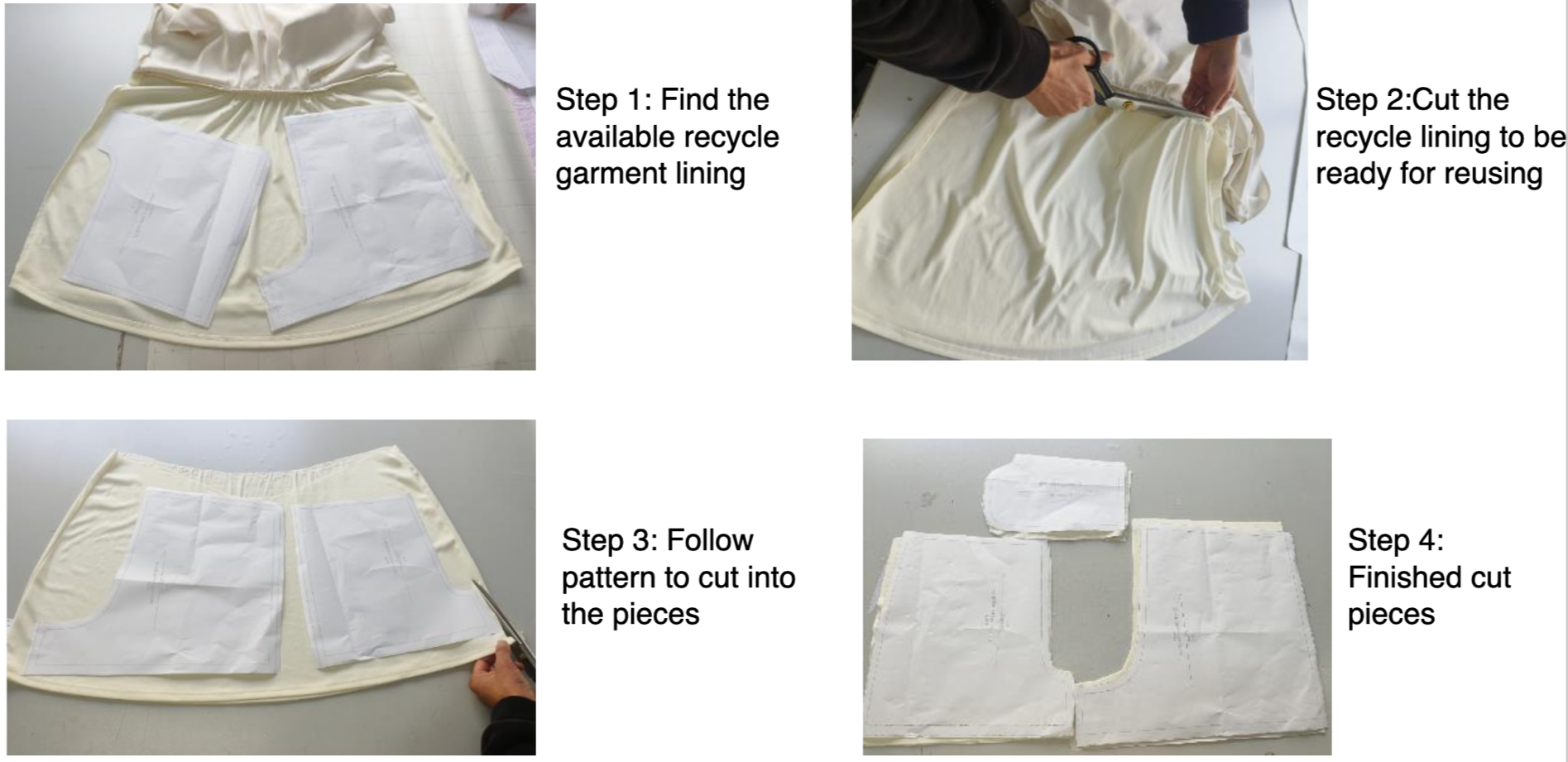
2) Repurposing reclaimed garment linings to create the short’s comfortable, durable interior.
The MOSAIC Shorts are crafted from approximately 90% recycled materials and thoughtfully designed with an adjustable waistband, double-lined fabric, secure zippered pockets, and a longer back hem for comfort, coverage, and lasting wear.
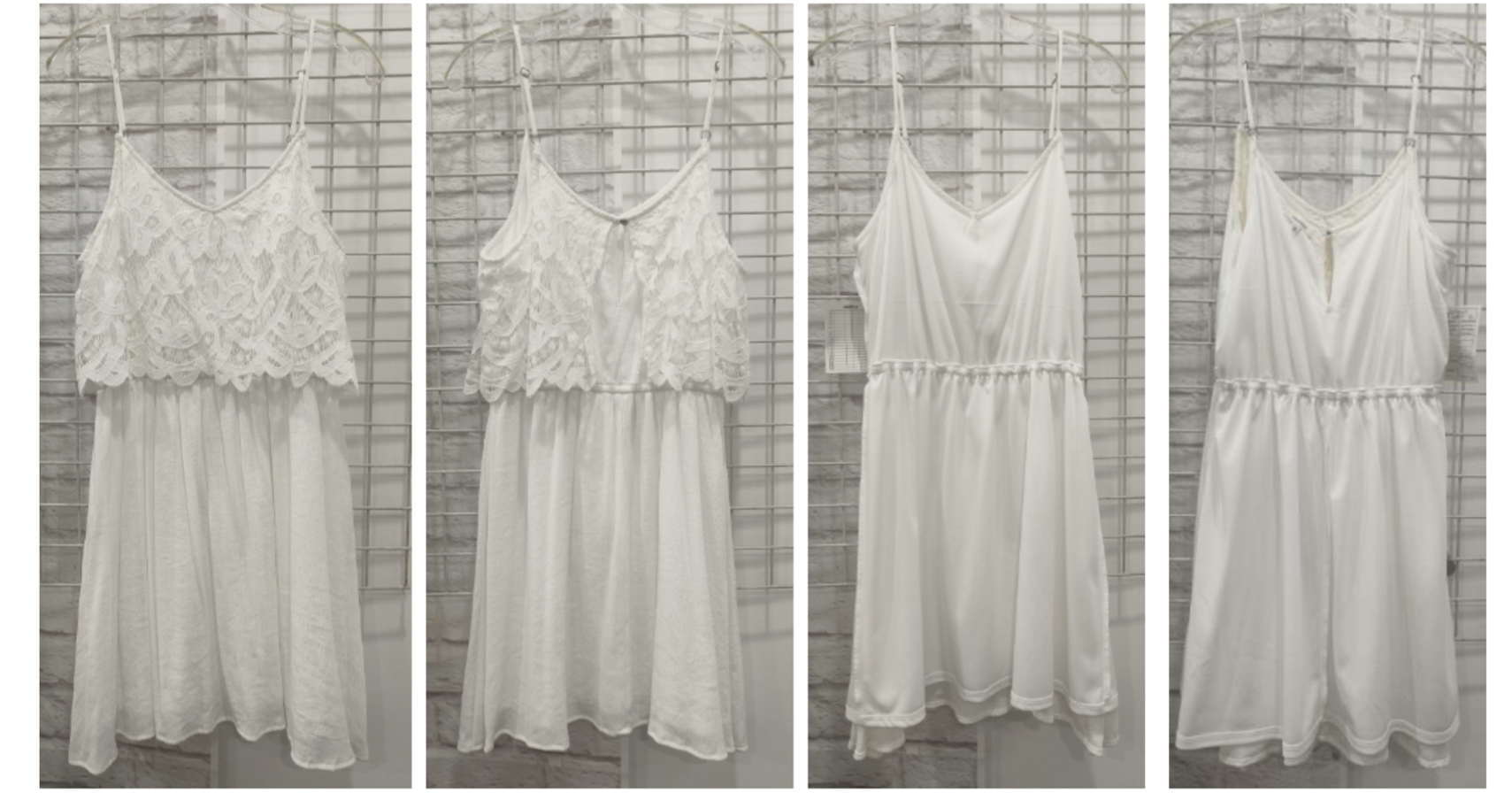
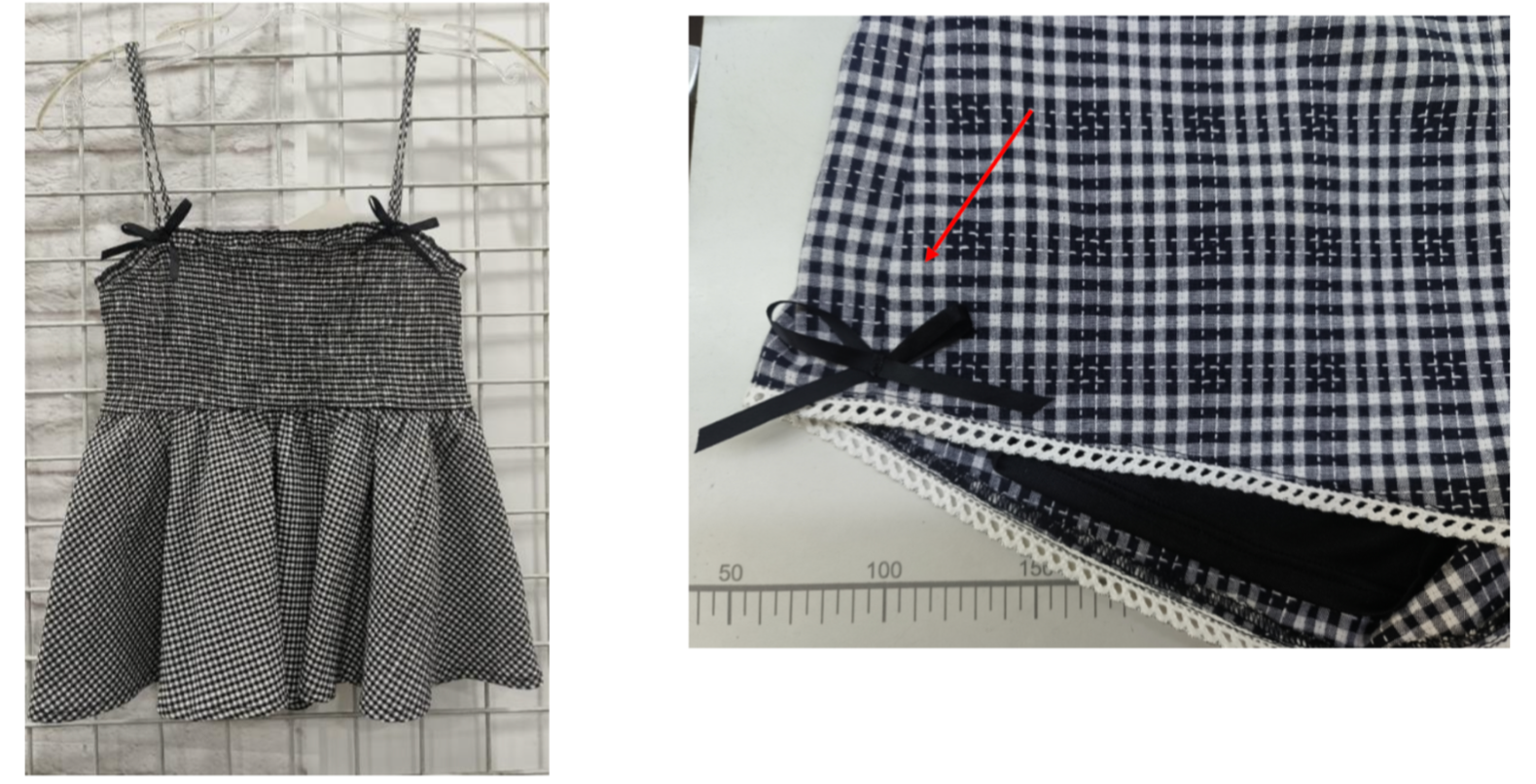
3)Thoughtfully reusing dress fabrics for the signature collar detail and tank top bows as charming decorative accents.
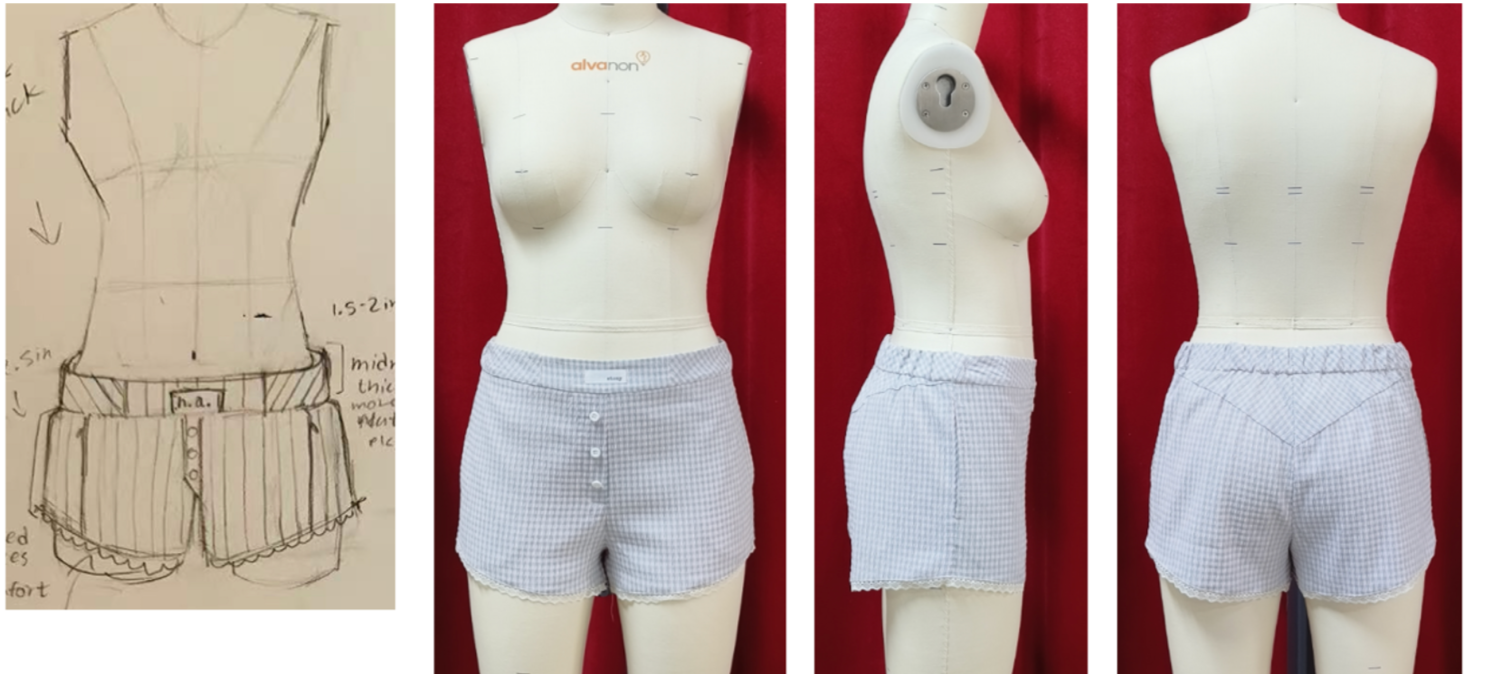
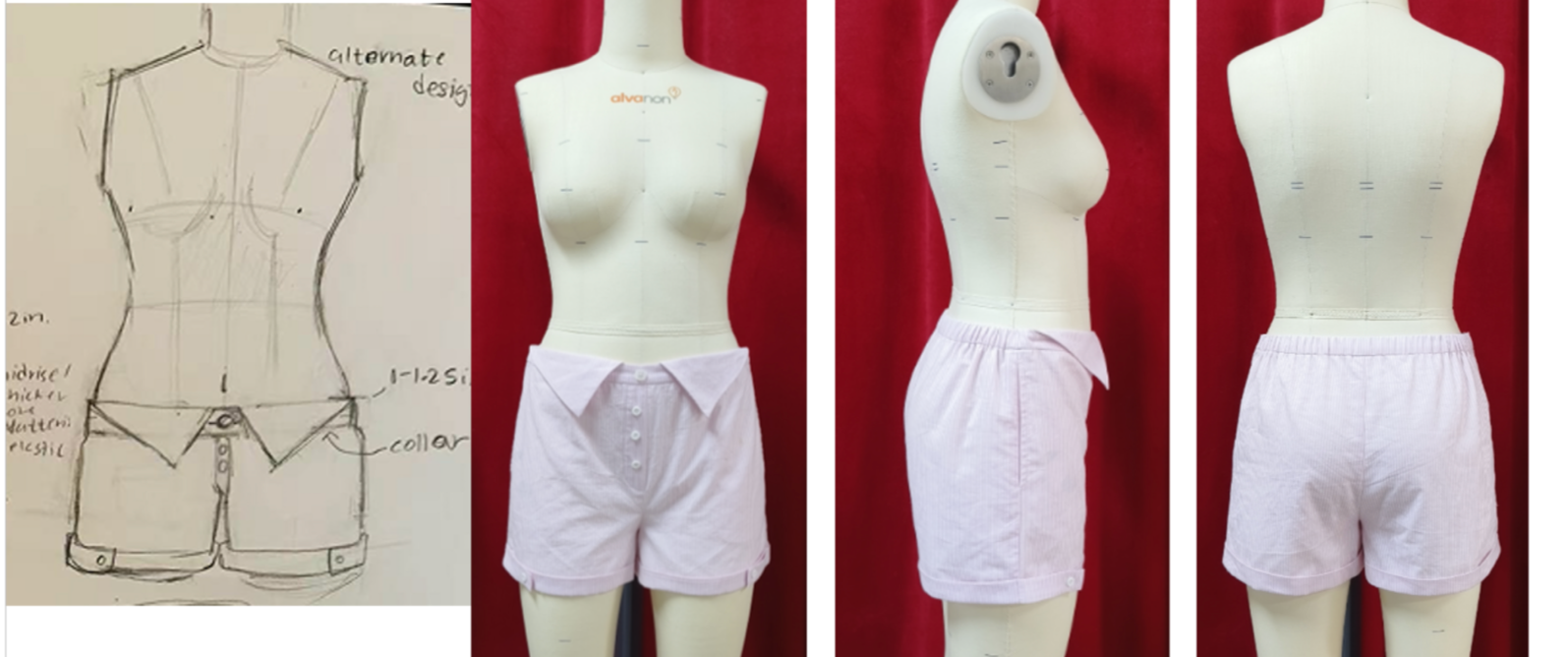
4) The transformation complete—our finished Mosaic Shorts in Style A and Style B.